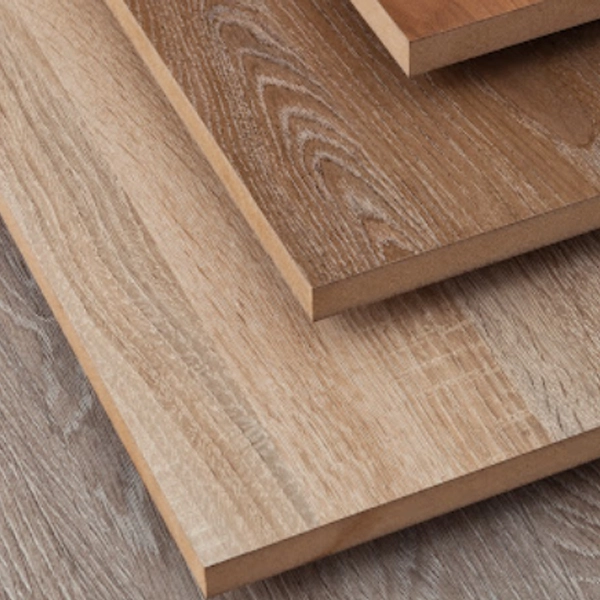
Growing environmental awareness worldwide highlights the preference for sustainable materials in the construction and furniture industries. At this point, MDF stands out as a popular product as an environmentally friendly option.
Conservation of Natural Resources:
MDF is a material produced by combining wood fibers. The trees used for MDF production are sourced in accordance with renewable forest management principles. In this way, sustainable afforestation and forestry practices are supported instead of the destruction of forests.
Recyclability:
MDF is a recyclable material. MDF products that have reached the end of their service life can be converted into reusable materials in recycling facilities. This helps reduce waste and protect natural resources.
Formaldehyde Emission Control:
Formaldehyde is a volatile organic compound commonly found in some materials and may be harmful to human health. In MDF production, formaldehyde emissions are kept under control. The correct selection of binders and adhesives used in the production process, along with the use of appropriate technologies, minimizes formaldehyde emissions.
Energy and Water Efficiency:
MDF production consumes less energy and water compared to traditional wood processing methods. Especially in production facilities that use modern technologies, energy and water savings are achieved, thereby reducing environmental impacts.
Longevity and Durability:
MDF products have a long service life and a durable structure. Thanks to these features, their long-term use contributes to more efficient use of resources.